


Scriptures, unless otherwise indicated, are taken from THE HOLY BIBLE, NEW INTERNATIONAL VERSION®, NIV® Copyright © 1973, 1978, 1984, 2011 by Biblica, Inc.® Used by permission. All rights reserved worldwide. Scriptures indicated NASB are taken from the NEW AMERICAN STANDARD BIBLE®, Copyright © 1960,1962,1963,1968,1971,1972,1973,1975,1977,1995 by The Lockman Foundation. Used by permission. Scripture quotations marked (NLT) are taken from the Holy Bible, New Living Translation, copyright © 1996, 2004, 2007 by Tyndale House Foundation. Used by permission of Tyndale House Publishers, Inc., Carol Stream, Illinois 60188. All rights reserved. Scripture quotations marked HCSB are taken from the Holman Christian Standard Bible®, Copyright © 1999, 2000, 2002, 2003, 2009 by Holman Bible Publishers. Used by permission. Holman Christian Standard Bible®, Holman CSB®, and HCSB® are federally registered trademarks of Holman Bible Publishers. Wherever indicated NCV, scripture taken from the New Century Version®. Copyright © 2005 by Thomas Nelson, Inc. Used by permission. All rights reserved.
Joseph in the Egyptian Empire
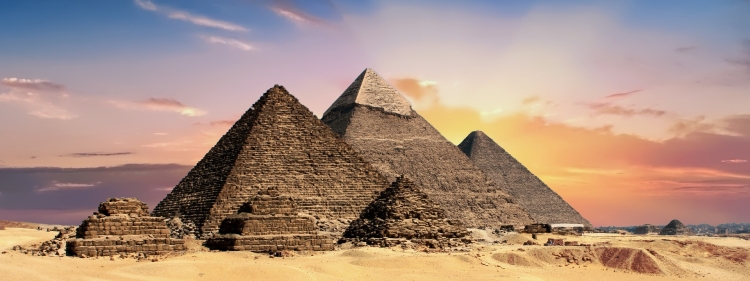
Joseph’s planning likely kept Egypt from collapsing into mass starvation, which is why many retellings present him as the wise hero of the crisis. But Genesis also invites a closer look at how that survival was secured. As the famine deepens, the text traces a clear sequence: money, livestock, land, and finally the people themselves shifting control into Pharaoh’s house and reshaping ordinary life for generations. So the real question is not only whether the nation lived through the drought, but what kind of society emerged on the other side: a temporary emergency response, or a permanent system that made families dependent on the palace.